CHAPTER 1
Why Japanese Households Waste Almost Nothing
The calm, waste-nothing way of thinking that everything else grows from.
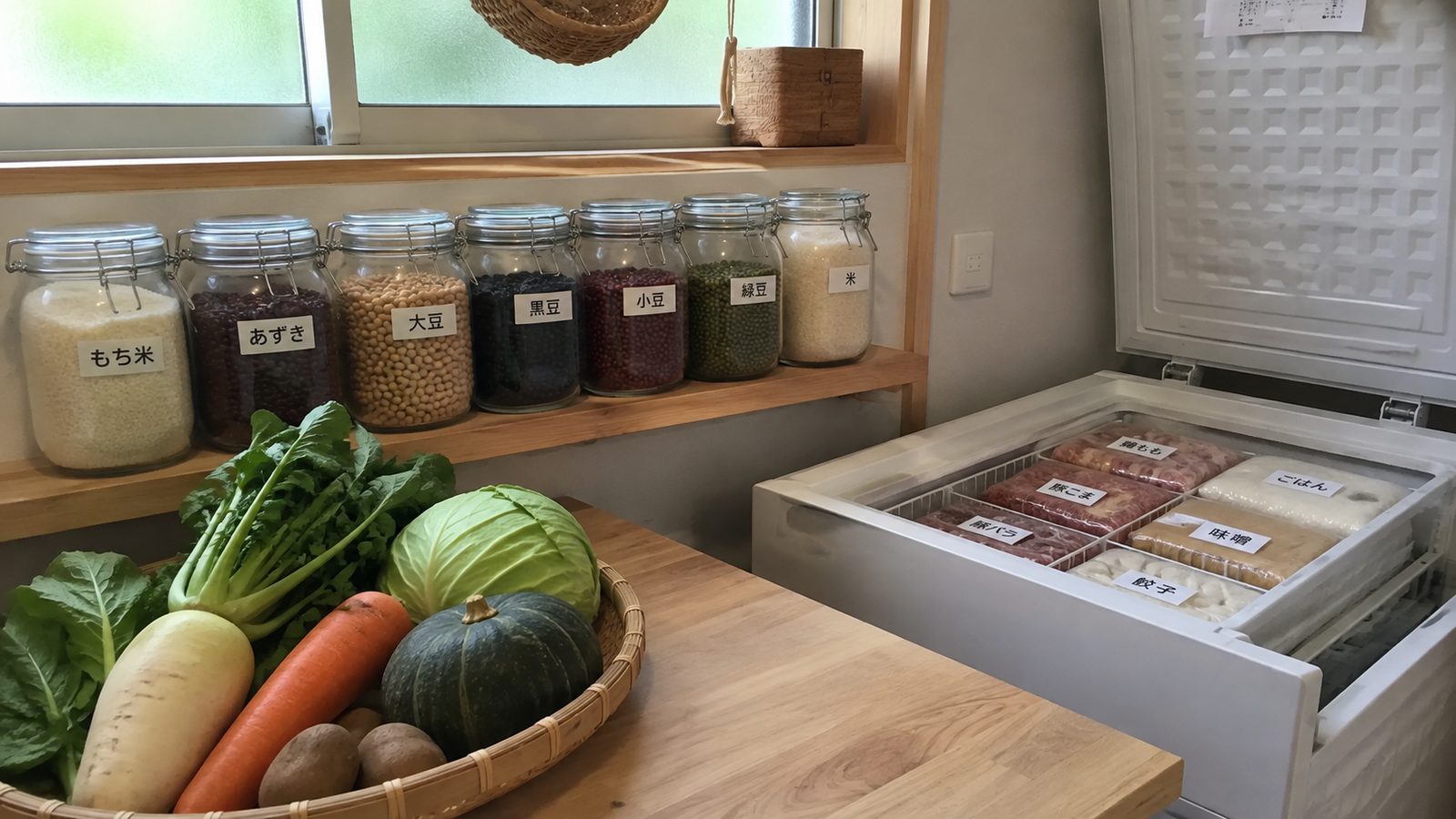
Every week, good food ends up in the bin. Money you already spent, thrown away. This book shows you the calm, waste-nothing way Japanese homes have run for years. You keep more of your own grocery money — in your kitchen, your freezer, and your next trip to the store.
“I wrote every page of this by hand — not a computer. This is not about becoming Japanese. It is about keeping more of your own grocery money.”
— Emiko Tanaka
Launch price $37 — ends Sunday 11:59 PM · --d --h --m --s left
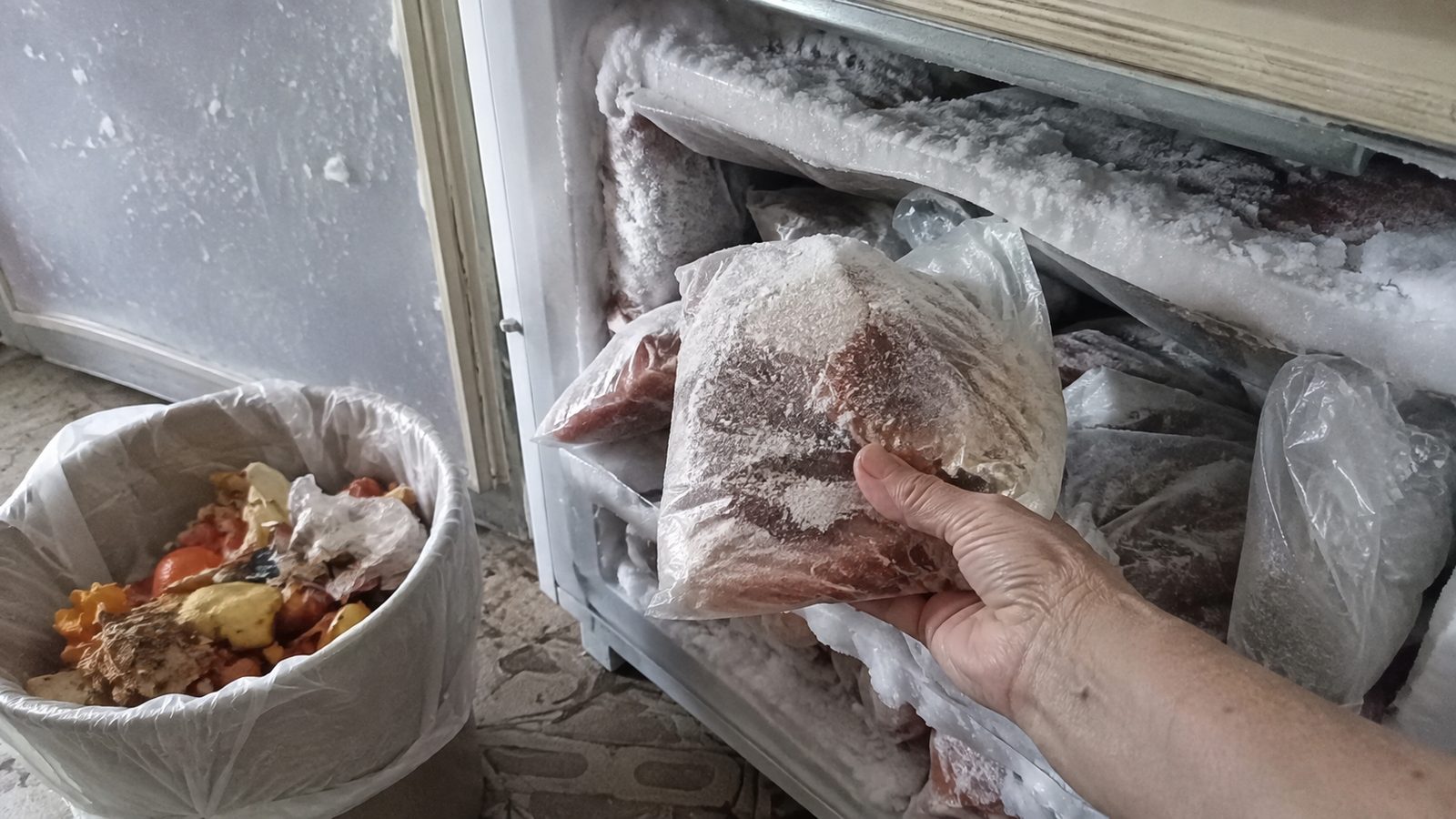
Think about last week. The lettuce that went slimy. The half loaf that turned hard. The leftovers nobody touched. You paid full price for all of it, and it went straight in the trash.
It is not your fault. Nobody ever taught you the small habits that stop it. Japanese homes have run on those habits for years — small kitchens, small freezers, and almost nothing wasted.
The problem isn't how much you spend. It's how much never gets eaten.
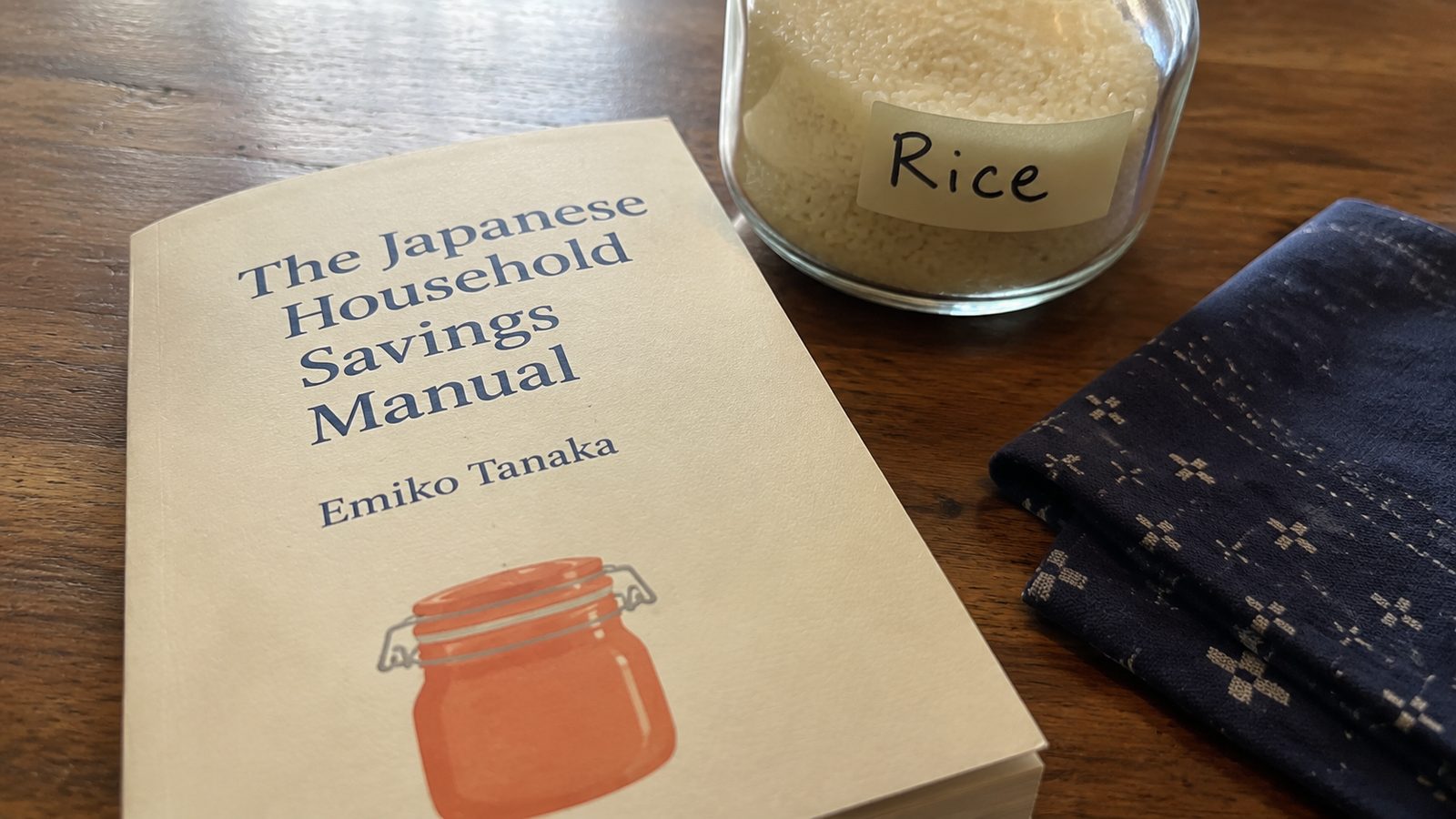
 Illustrated PDF · 2026
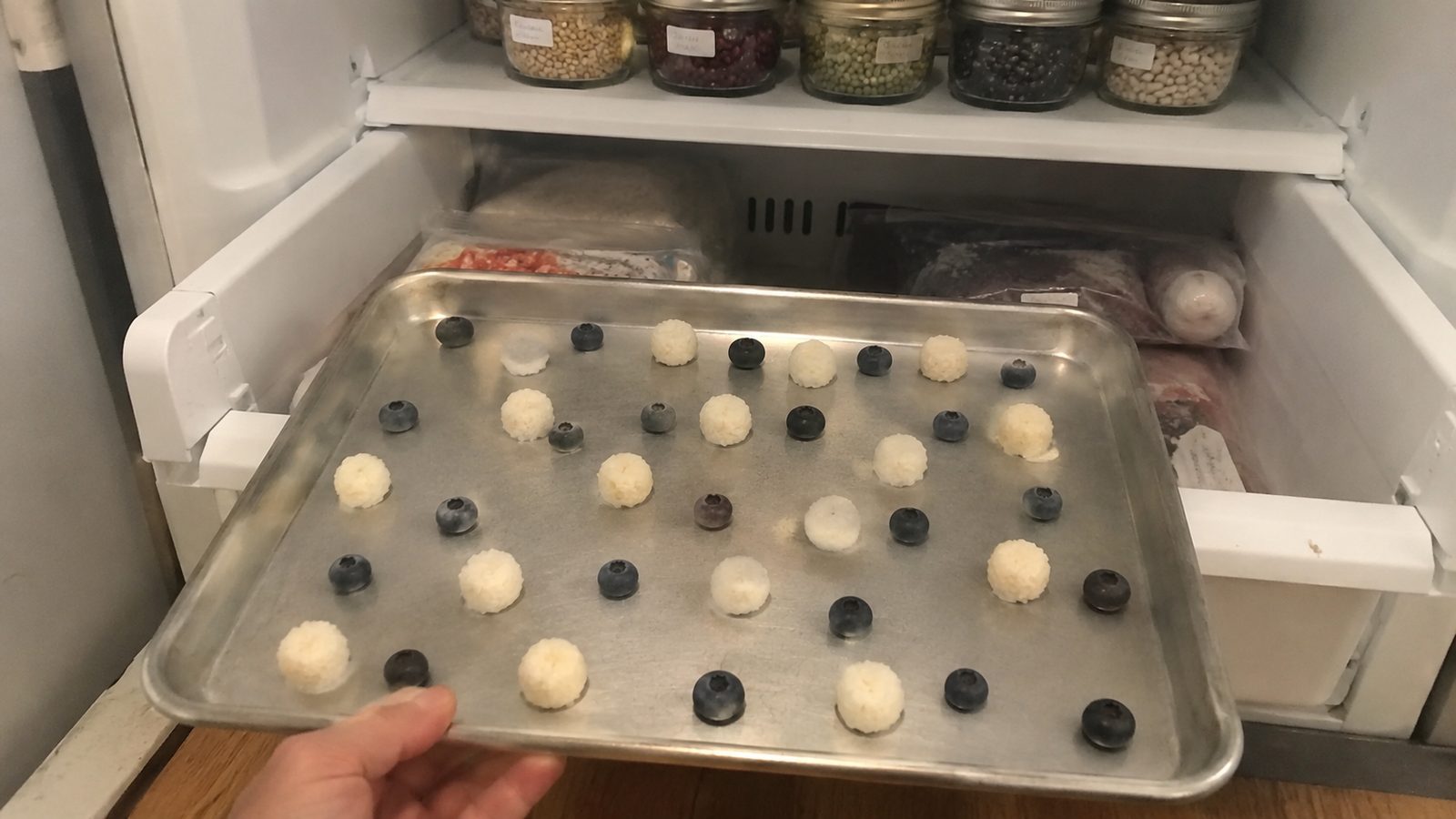
Eight short chapters, full of pictures. How to freeze food so it lasts for months. How to store fresh food so it keeps for weeks. How to shop so you buy the right amount and never overpay. Simple habits, one at a time.
It is a book you download and keep — a PDF you can read on any phone or computer, or print and leave in the kitchen. Three printable helpers come with it, ready to stick on the fridge.
See what's insideLaunch price ends Sunday 11:59 PM · --d --h --m --s left
Don't weigh this book against other books. Weigh it against the food you already throw away. Here are the numbers.
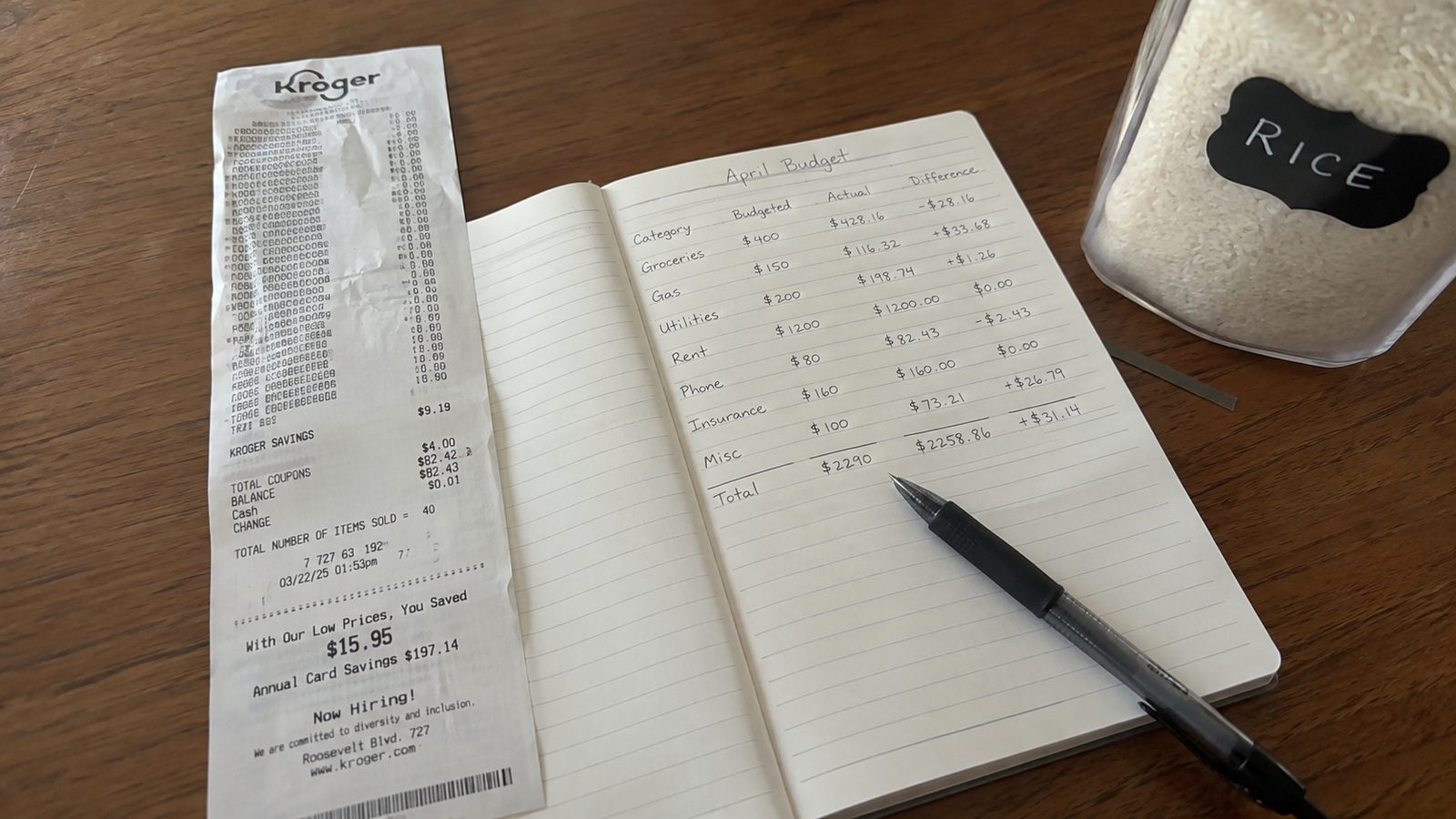
Let's be plain about it. Nobody can promise you a number. What you keep depends on your home and on how much of this you actually use. But the food waste is already there, every week, and most of it is easy to stop. The first week you save more than $37 of food, the book has paid for itself. Everything after that stays in your pocket.
“Pull out your last three grocery receipts and circle what got thrown away.”
The $2,913-a-year figure is a national average of household food waste for a family of four (EPA). Your own number depends on your household, your habits, and how much of the book you put to use.
The calm, waste-nothing way of thinking that everything else grows from.
How a small freezer holds more and wastes far less.
Make meals ahead and freeze them in portions, so nothing goes bad.
Simple ways to store fresh food so it keeps for weeks, not days.
Use every part, plan the week, and stop scraping money into the bin.
Buy in season, buy the right amount, and read the store the way they do.
Old ways to stay cool in summer that barely touch the electric bill.
Keep food fresh in glass, cloth, and paper — and keep the plastic out of it, cheaply.
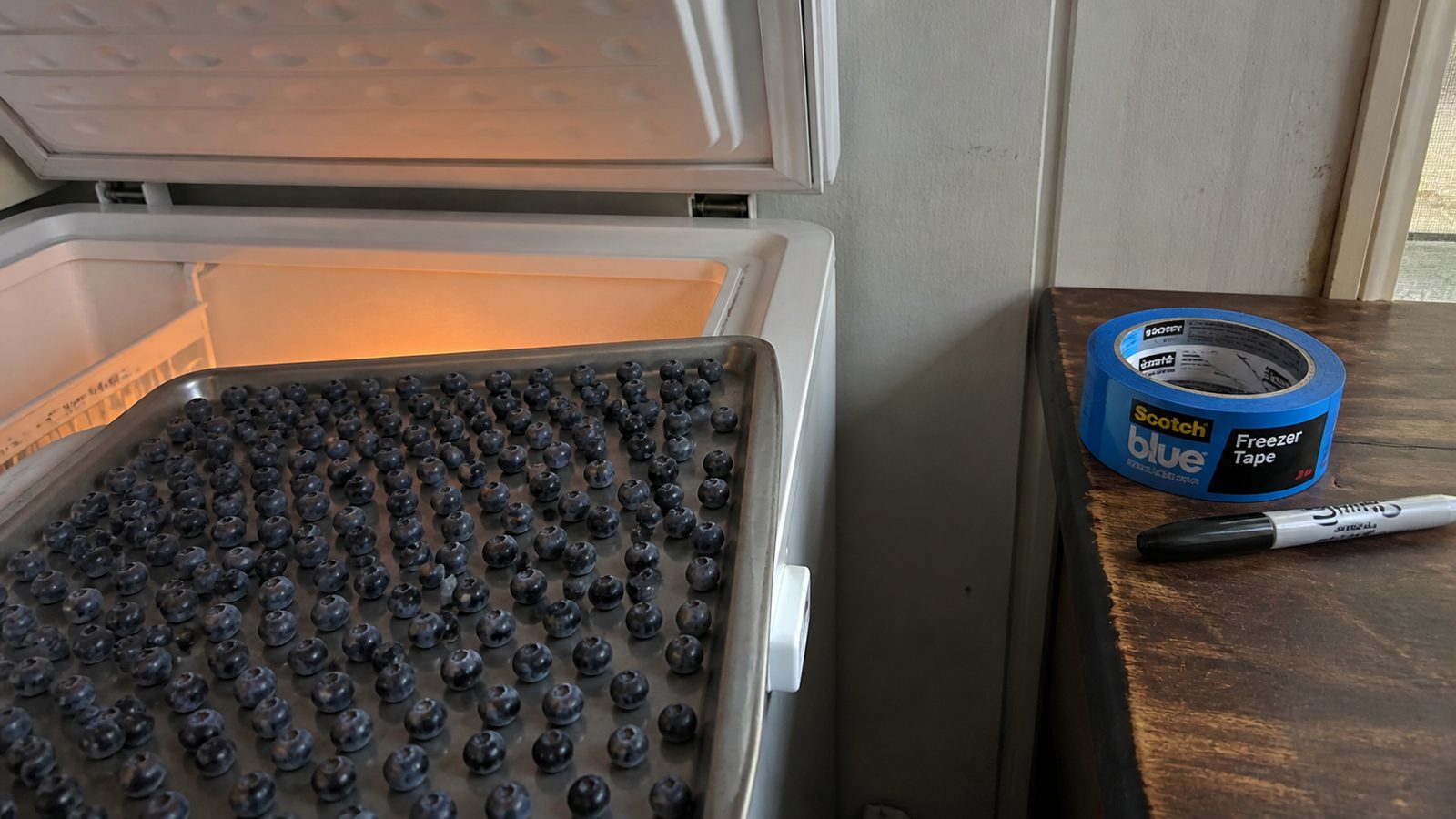
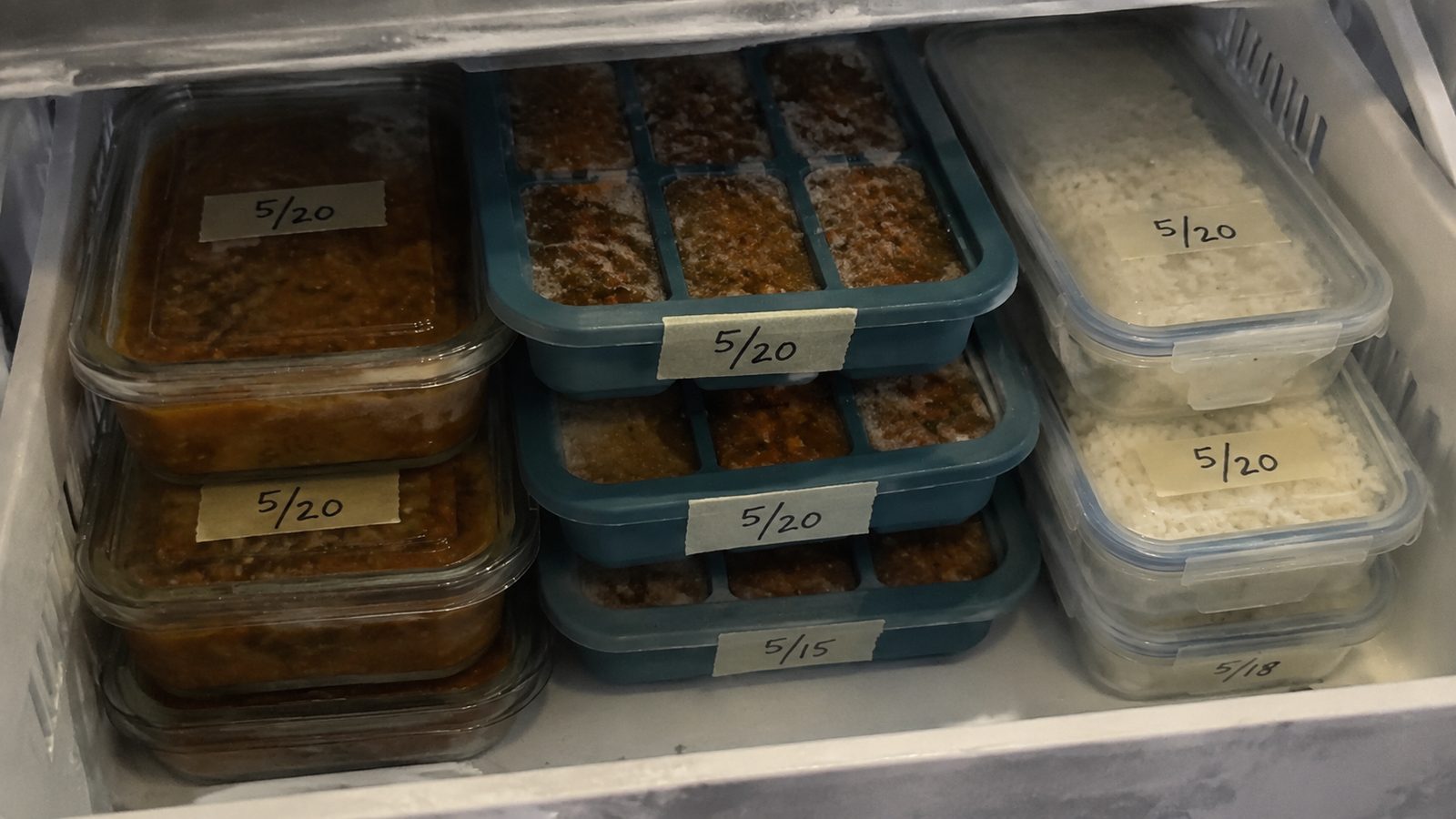
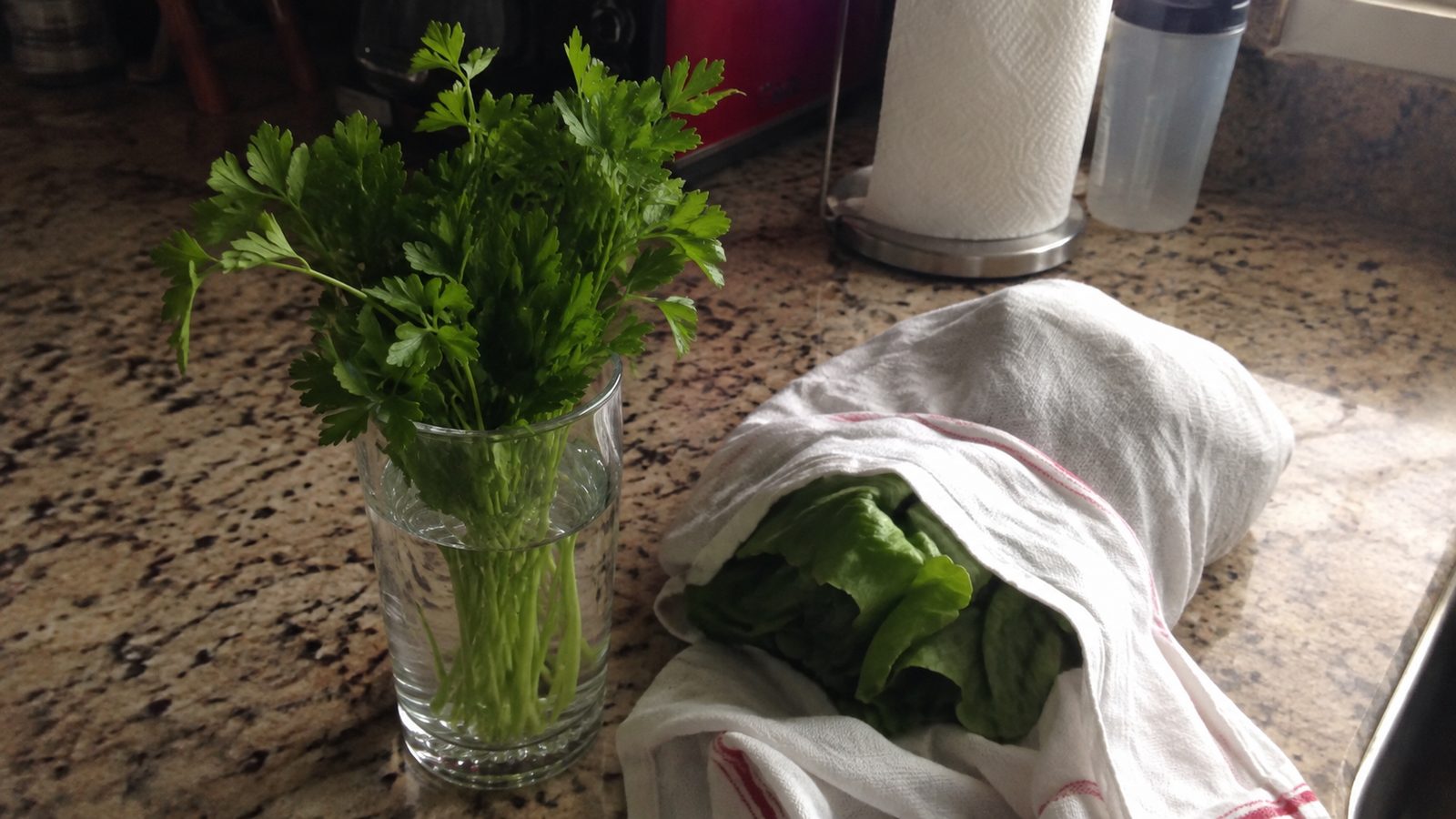
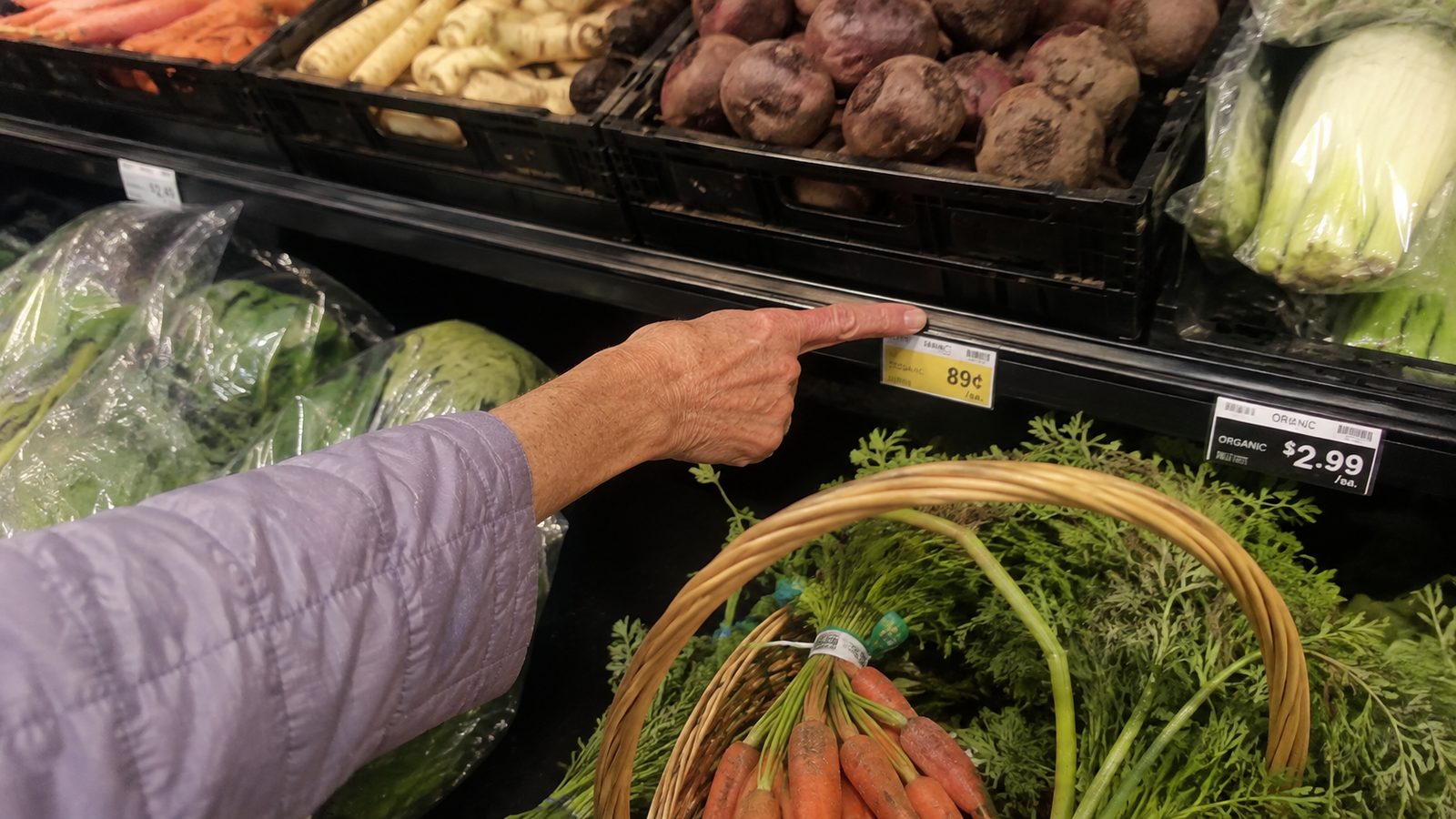
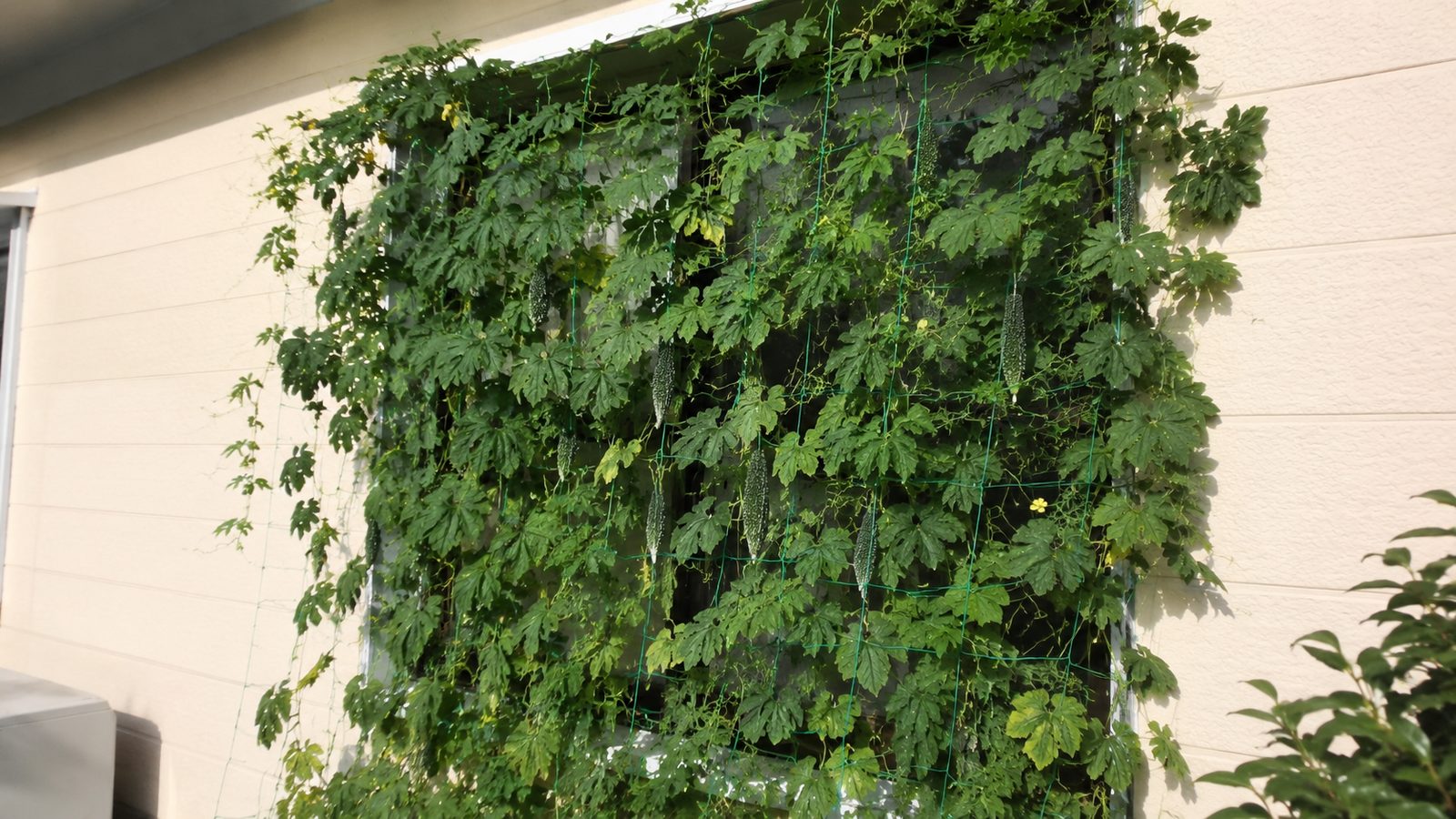
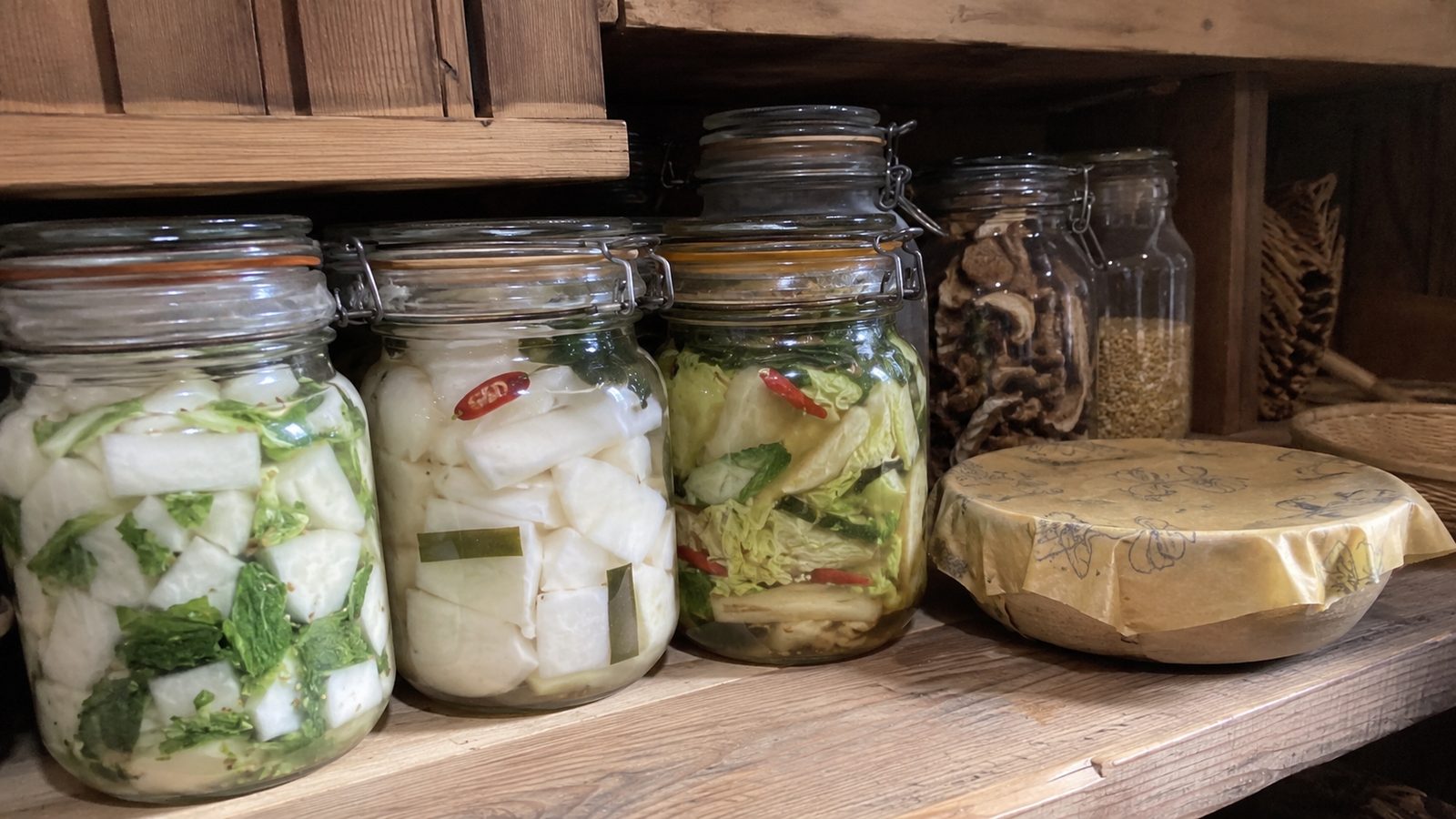
You don't have to do all of them. Pick one habit, start this week, and let it become second nature. Then add the next one.
A lot of people write to me about this. They want to freeze and store food, but they don't want plastic and microplastics anywhere near it. I understand. I feel the same way in my own kitchen.
So a whole chapter shows you how to keep food fresh in glass jars, in cloth, and in paper — the way homes did it long before plastic. It costs almost nothing, it lasts for years, and it keeps the plastic out of your food.
You get the freezer savings and the fresh food, without the part that worries you.
These are real comments, word for word, from people who watched the free Japanese-method videos these tips come from. They are not reviews of the manual — the manual is new. They are why it exists.
“I have a small house and I have found that keeping several small baskets of plain old charcoal throughout does a remarkable job of keeping the air smelling fresh.”
“It's wild how we've been conditioned to think we need a lab-full of chemicals to grow grass when the solution is just 'feeding the soil.' This feels like the kind of wisdom that changes everything”
“Don't lump all westerners together. I have never used a sponge. I use a clean cloth each time I do dishes.”
“For those who can, plant as many trees, bushes, vegetation as you can, grow a small forest in your garden and water it at dusk. This will tremendously help.”
“Moved to the Atlanta area 16 years ago after I retired. The yard looked like the moon with weeds. After firing the lawn service seeing poor results, I got to work.”
“My Japanese neighbors taught me to thoroughly sprinkle the public sidewalk in front of my house and sprnkle the hot street too, and also spray my front garden at 5pm every summer day, so that people returning from work in the hot city are refreshed by the scent of petrichor.”
Verified buyer reviews will appear here as they come in.
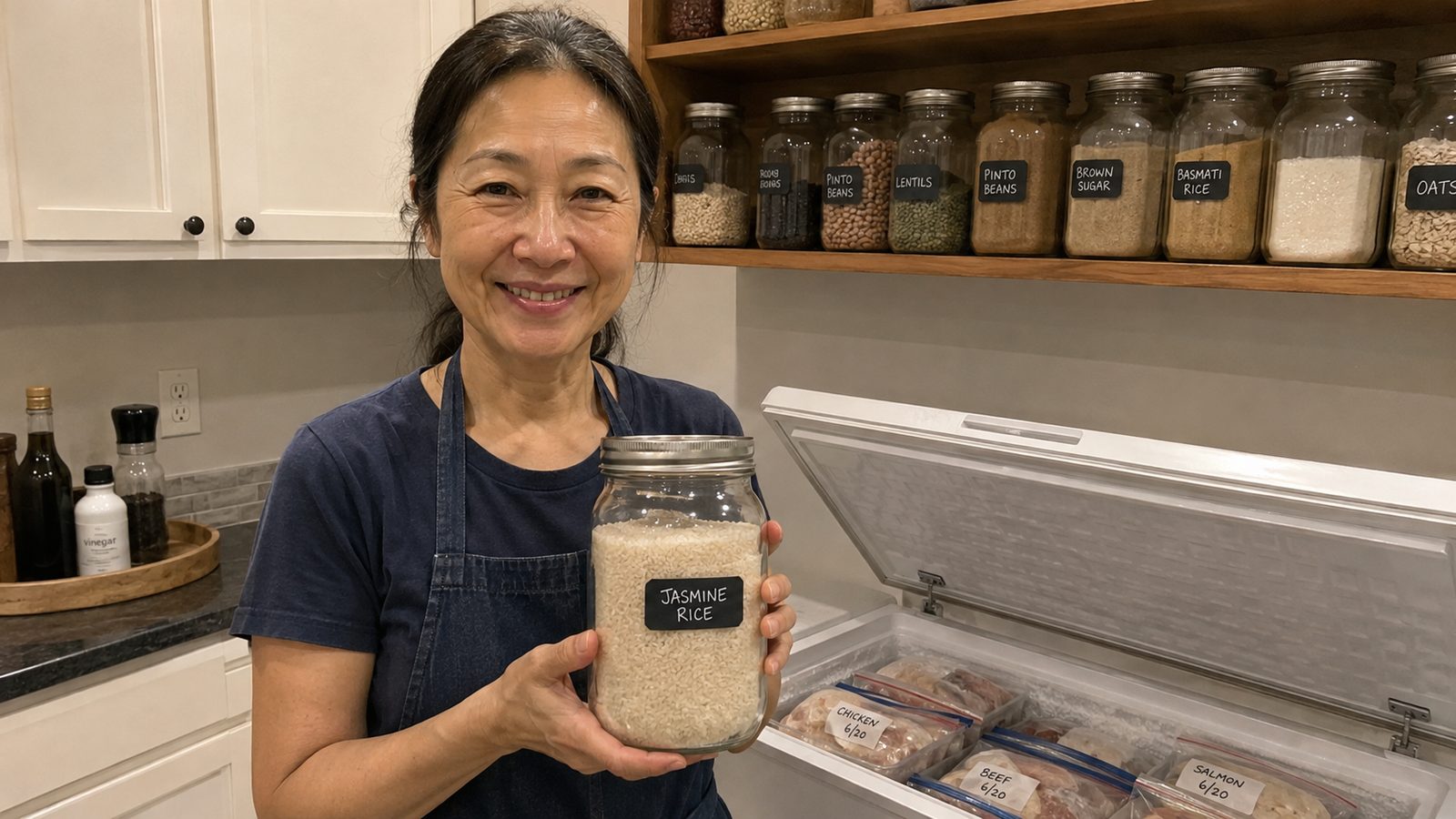
“I'm Emiko Tanaka. I've kept house in Japan for more than thirty years the way my mother taught me — waste nothing, and spend only on what lasts.”
This is everything I show in my videos, gathered in one place and taken further. Every habit, every trick, every printable — in the order you'll actually use them.
I wrote every page by hand. Not a computer. If you use even a few of these habits, your next grocery run will go further than the last one.
Launch price ends Sunday 11:59 PM · --d --h --m --s left
No. I wrote every page of this by hand. A real person who has kept house in Japan for more than thirty years. Not a computer. If any page ever feels like a machine wrote it, email me and I'll send your money back — and you keep the book.
A lot of it is, spread across dozens of videos in no order. This book puts it all in one place, in the order you'll use it — plus the three printables and the little details that don't fit in a video. You're paying $37 to have it all together, ready to use, in a book you can hold open in the kitchen.
Then this is written for you. Most of these habits were made for small Japanese kitchens and tiny freezers. You don't need a big house or a yard. A small fridge, a shelf, and a few jars are plenty. Nothing here asks you to change your home.
It's a plain PDF — the same kind of file a recipe or a bank statement comes in. No app to install, no account, no password. It opens on any phone, tablet, or computer, and you can print the whole thing and keep it in a drawer in the kitchen. Three printable helpers come with it, ready for the fridge.
You have 30 days, no questions. Email me and your $37 comes back that same day. Keep the manual anyway — refund or not, the book and all three printables stay yours.
Two more books are on the way — one on cleaning the house the Japanese way with no harsh chemicals, and one on growing a little of your own food in a small space. If you own this book, you'll hear about them first, before anyone else.
For $37, once, you get the calm, waste-nothing way that keeps hundreds of dollars a year in the kitchen instead of the trash. Start with one habit this week.
Launch price ends Sunday 11:59 PM · --d --h --m --s left